Encouraging Aging Adults to Embrace Exercise Through Comprehensive Workout Protocols
Wiki Article
Remaining energetic is crucial for people of every age group, but it turns especially vital as individuals age. For seniors, regular movement supports sustaining independence, enhances flexibility, and boosts overall well-being. Well-rounded training frameworks deliver seniors with structured methods to fitness that cover coordination, range of motion, strength, and resilience. By adhering to carefully planned fitness programs, seniors can elevate their daily function while lowering the likelihood of injuries, long-term illnesses, and cognitive decline.
Exercise for older adults is not limited to intense routines or heavy exercise regimens. It concentrates instead on safe, gradual, and ongoing physical engagement that suits individual fitness conditions. Exercises such as leisure walking, mobility work, chair yoga, and light resistance training aid in preserving limberness and strength. Cardiovascular exercises like swimming or indoor biking improve cardiovascular function, which are important for maintaining stamina and stamina. These types of exercise also enhance brain health, as findings have shown that routine fitness can improve recall, outlook, and mental performance.
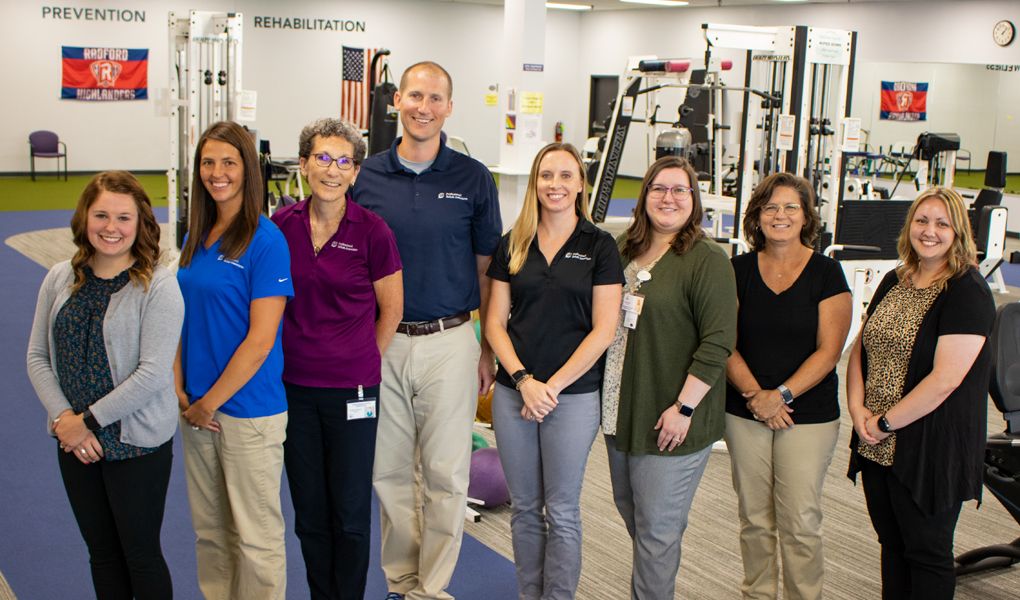
Comprehensive training plans emphasize a well-rounded strategy to wellness, covering muscular, psychological, and social factors of lifestyle. Seniors are advised to ease in and progress at a manageable speed, ensuring injury prevention while preventing fatigue. Incorporating pre- and post-exercise stretches minimizes injury, while proper hydration and meal balance complement physical activity. Additionally, community-based programs—such as group fitness classes or organized group walks—offer avenues for companionship, encouragement, and emotional support, which are crucial to total wellness.
Qualified instruction acts as a important function in assisting older adults design personalized exercise plans. Seeking advice from healthcare providers, rehabilitation specialists, or exercise professionals ensures that programs are adapted to specific health conditions, endurance, and goals. These specialists can suggest effective workout protocols that consider elements such as joint conditions, osteoporosis, or heart health concerns. Through regular monitoring and adjustment, exercise plans remain beneficial see here and motivating, promoting long-term engagement and success.
Ultimately, enabling older adults to adopt exercise through structured fitness frameworks builds a community of lifelong movement. When older adults are equipped with knowledge, motivation, and guidance, they build trust in their mobility and enjoy greater independence. Consistent movement boosts not only body health but also focus and well-being. By supporting adaptive, expert-led training systems, organizations can help that each older adult has the chance to youth athletic development lead a active, vibrant, and rewarding lifestyle.